Ringing in Your Ears? Common Causes and When to See an ENT
Oct 15, 2026
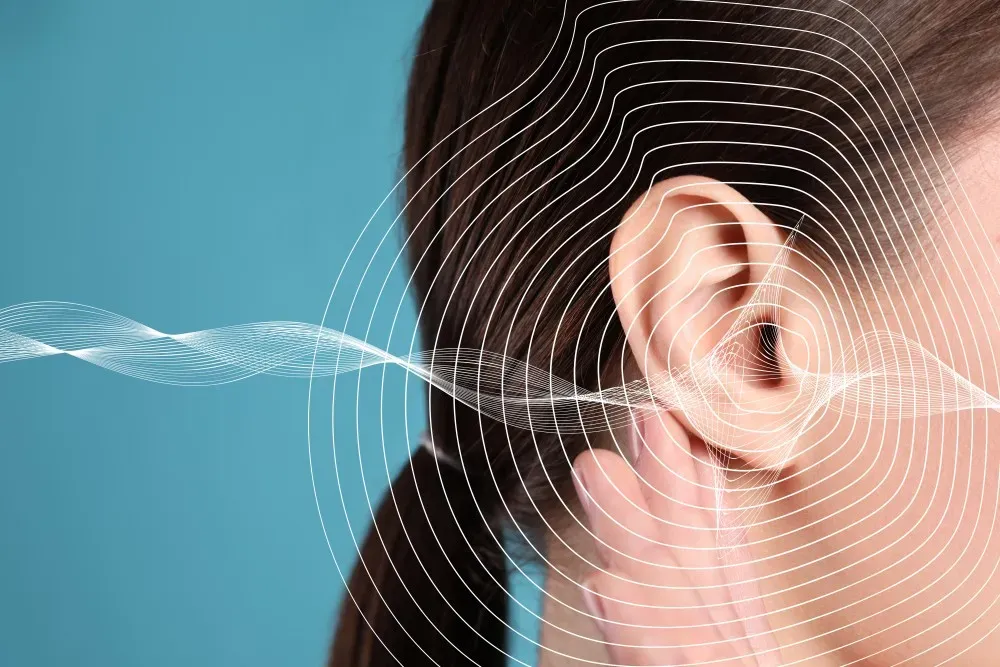
Ringing, hissing, buzzing, humming, or another sound that only you can hear may indicate that you have tinnitus. The sound may be consistent or off and on. Sometimes, it can become a persistent distraction that interferes with sleep, concentration, or everyday activities.
Tinnitus is not a disease but rather an indicator that something is affecting your auditory system, including your outer, middle, and inner ear, as well as the neural pathways that transmit sound signals to the brain.
Board-certified otolaryngologist Philip T. Ho, MD, FACS, leads the team at Silicon Valley ENT & Sinus Center in Los Gatos, California. He has the expertise you need to identify the cause of tinnitus and develop a treatment strategy that meets your needs.
Here’s a look at the possible causes of tinnitus and how Dr. Ho can help.
People with tinnitus are affected by sounds with no external source. What they hear may affect one ear, both ears, or seem to come from somewhere inside the head.
The experience is different for everyone. One person may describe a high-pitched ringing, while another hears a low hum or a sound similar to static. Tinnitus can also vary in intensity and may be more noticeable at bedtime, when background noise fades away.
Occasional tinnitus is relatively common. Persistent or bothersome symptoms, however, deserve a closer look.
Tinnitus doesn’t have a single cause. Several conditions or circumstances can contribute, including:
Age-related hearing loss and long-term exposure to loud sounds can affect the delicate structures involved in hearing. Tinnitus may appear alongside hearing loss, even when the hearing changes are subtle.
Concerts, power tools, firearms, headphones, and other high-volume sound sources can temporarily or permanently affect hearing. Repeated exposure increases the risk.
Earwax or another blockage can cause ringing, muffled sounds, or a feeling of fullness. Removing the blockage may resolve the symptoms.
Certain medications can sometimes contribute to tinnitus. The risk varies depending on the drug and dose. If you suspect a medication may be involved, talk with your healthcare provider rather than stopping it on your own.
Sinus or ear infections, fluid behind the eardrum, and other ear-related conditions can sometimes trigger temporary tinnitus.
Other possible contributors include head or neck injuries, jaw problems such as temporomandibular joint (TMJ) disorders, and certain medical conditions.
We recommend scheduling a visit anytime you’re concerned about your hearing. Schedule an appointment sooner rather than later if the ringing persists, keeps returning, becomes bothersome, or comes with hearing changes.
An ENT visit is particularly important if tinnitus occurs primarily in one ear, especially when it is persistent. Also seek prompt medical attention if ringing begins suddenly with sudden hearing loss, significant dizziness, severe ear symptoms, or other concerning neurological symptoms.
A rhythmic sound that seems to pulse in time with your heartbeat also deserves medical evaluation. This type of tinnitus, called pulsatile tinnitus, can sometimes be associated with changes in blood flow near the ear.
Dr. Ho starts with a detailed discussion of when the tinnitus began, whether it affects one or both ears, what it sounds like, and whether anything seems to make it better or worse. He also examines the ears for wax buildup, infection, fluid, or other abnormalities.
Depending on your symptoms and examination findings, you may also require a hearing test and additional diagnostic studies.
The goal isn’t simply to identify the sound. It is to look for an underlying cause and determine which treatment would help.
Tinnitus is often manageable, but the right approach depends on what’s causing or contributing to it. For answers you can rely on, call or message Silicon Valley ENT & Sinus Center today to schedule a visit with Dr. Ho.